
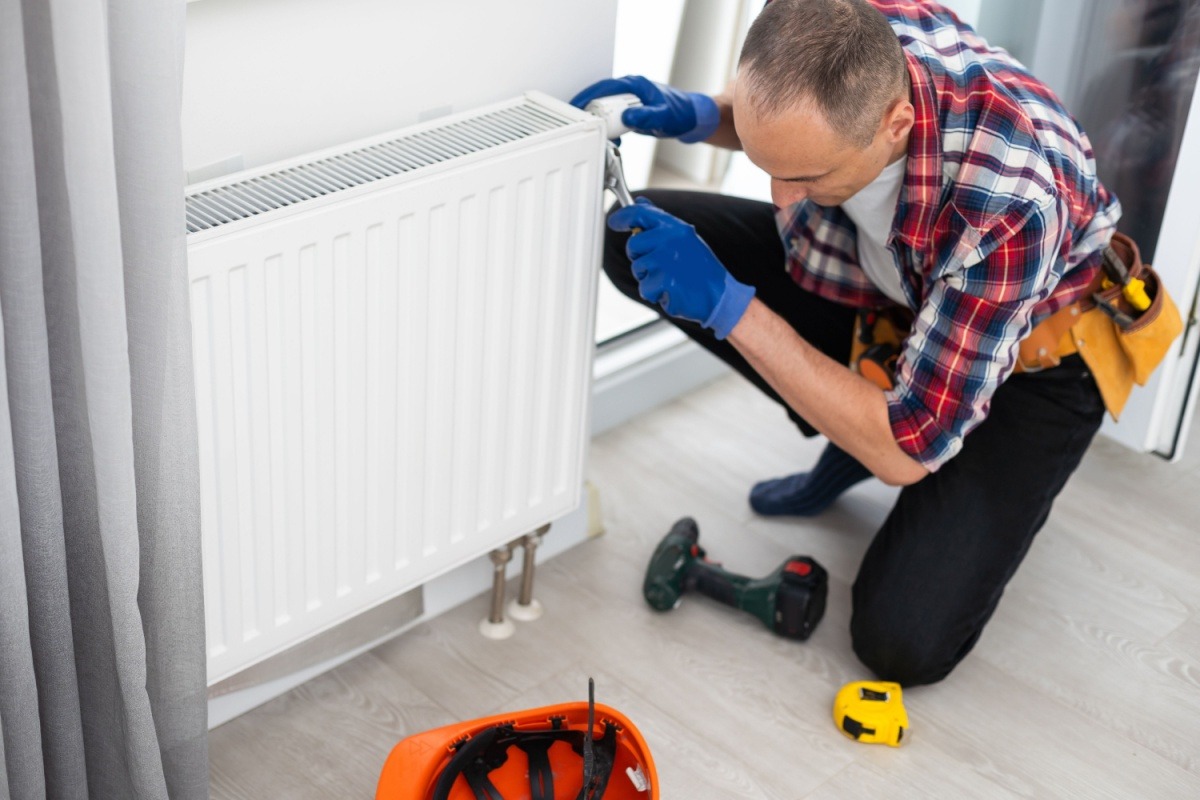
A chilly night without a functioning heater can quickly turn from uncomfortable to concerning. Before calling for professional heater repair, you can often narrow down the cause by checking a few key areas. Modern heating systems are complex, combining gas or electric components, airflow control, and precise thermostat settings. If you know where to look, you can identify the problem more quickly and avoid unnecessary downtime.
1. Start With the Thermostat
When a heater stops responding, the thermostat is one of the first things to check. Many heating issues stem from power interruptions, miscalibration, or incorrect settings.
Common thermostat problems
- Power supply: Check the batteries or electrical connection. A loose wire or tripped breaker can disrupt the thermostat’s signal to your heating system.
- Settings: Confirm that it’s in “heat” mode and that the set room temperature is higher than the current reading.
- Calibration: Over time, thermostats can lose accuracy. If your home feels colder than the displayed temperature, recalibration may be needed.
If your thermostat fails to activate the furnace or heat pump, this may indicate an internal wiring issue or a sensor malfunction. In that case, calling a qualified technician is the safest route.
2. Inspect the Power Supply and Breaker
If your heater is not working, start by checking the breaker panel, as tripped breakers or blown fuses are common culprits. Reset any tripped breakers and see if the system restarts.
If you have a gas heater that’s not working, verify that the gas valve is open and that you have fuel available. Never attempt to relight a pilot light if you smell a gas leak; leave the area immediately and contact your utility company or emergency heating repair service.
A functional power supply is crucial for your heating system’s blower motor, pump, and ignition sequence. Even a small disruption in the electrical circuit can stop heat transfer across the entire system.
3. Examine Airflow and Ductwork
Poor airflow is one of the most overlooked heating repair issues. Restricted ducts, clogged filters, or closed vents can make a perfectly good furnace act up. Limited airflow not only reduces warmth but can also lead to overheating and system shutdowns.
What to look for
- Filters: Clean or replace filters regularly. A dirty filter restricts airflow and stresses components like the blower motor and heat exchanger.
- Ducts: Look for obstructions, loose connections, or debris inside your duct system. Poorly sealed ducts waste energy and reduce indoor air quality.
- Registers and vents: Keep them open and unobstructed by furniture or drapes.
If you notice uneven heating or weak airflow from vents, you may be dealing with duct leaks or a failing pump in a radiant heating system.
4. Check Combustion and Heat Sources
In gas heating systems, combustion is necessary for safe, efficient operation. Without it, the unit can’t generate heat.
Gas and flame concerns
- Pilot light or ignition: If the flame won’t stay lit, the thermocouple or ignition sensor might need cleaning or replacement.
- Gas supply: Verify the gas valve hasn’t been shut off at the gas meter by the city for any reason.
- Combustion chamber: Dust and debris can interfere with proper combustion, leading to inefficient heat and potential carbon buildup.
If the flame burns yellow instead of blue, it may indicate incomplete combustion, producing carbon monoxide. Every home with gas heating should have a working carbon monoxide detector near the unit and in adjacent living spaces.
5. Inspect the Air Intake and Ventilation System
A heating system can’t operate correctly without proper intake and exhaust airflow. When vents, ducts, or intakes become blocked, combustion efficiency drops, and your furnace or heat pump may automatically shut off to prevent overheating or carbon buildup.
Key areas to inspect
- Intake and exhaust vents: Check for debris, leaves, or snow buildup around the outdoor intake pipe or exhaust flue. A blocked vent can cause dangerous carbon monoxide accumulation inside the home.
- Flue and drain connections: Corrosion or loose fittings can allow exhaust gases to leak, reducing system performance and increasing risk.
- Air filter and blower area: A clogged filter or dirty blower wheel restricts airflow, raising system pressure and forcing components like the pump or heat exchanger to work harder.
Proper airflow is essential for safe heat transfer. If your furnace keeps cycling on and off, fails to ignite, or emits a faint odor of gas, the issue might stem from poor ventilation or a restricted intake. These symptoms warrant a prompt visit from an experienced heater repair company.
When to Call for Professional Help
While simple troubleshooting can resolve minor problems, anything involving combustion, gas, or electrical wiring should be handled by a certified heating repair company. Our licensed technicians have the diagnostic tools to inspect your heating system safely and determine whether parts such as the pump, heating element, or heat exchanger need to be replaced, or if you need a new furnace installation.
Professional repair companies can also improve your system’s efficiency by cleaning ducts, adjusting airflow, and calibrating thermostats. These steps restore heat while supporting better indoor air quality and safer operation overall.
The Importance of Regular Maintenance
Regular maintenance is the best defense against surprise breakdowns and emergency heating repair calls. Scheduling annual service for your heater or radiant heating system helps keep components like the furnace burner, combustion chamber, and heat exchanger in peak condition.
A skilled technician can:
- Clean or replace filters for proper intake and airflow.
- Inspect the valve, pipe, and wire connections for wear.
- Test the thermostat and power supply for accuracy.
- Verify that carbon monoxide detectors are functional.
- Examine ducts, drains, and pumps for obstructions.
Consistent service helps prevent sudden heat and air repair needs, reduces energy waste, and extends the lifespan of your heating equipment.
Call Quan Plumbing and Heating for Holistic Heating Solutions
If your heating system still refuses to cooperate after troubleshooting on your own, it’s time to contact the experts. At Quan Plumbing and Heating, we provide prompt, professional heater repair and maintenance across Vancouver, BC, and the entire Lower Mainland. Our licensed technicians handle everything from gas leak detection to heat pump and furnace repairs.
Our team is known for reliable service, transparent pricing, and the technical expertise to get your home warm again fast. When you need dependable heating repair or want to schedule preventive maintenance, reach out to Quan Plumbing and Heating. We’ll diagnose the issue, repair your system safely, and stand by our work with a warranty that protects your investment.
Call us today to book your appointment and get your heating back on track.