
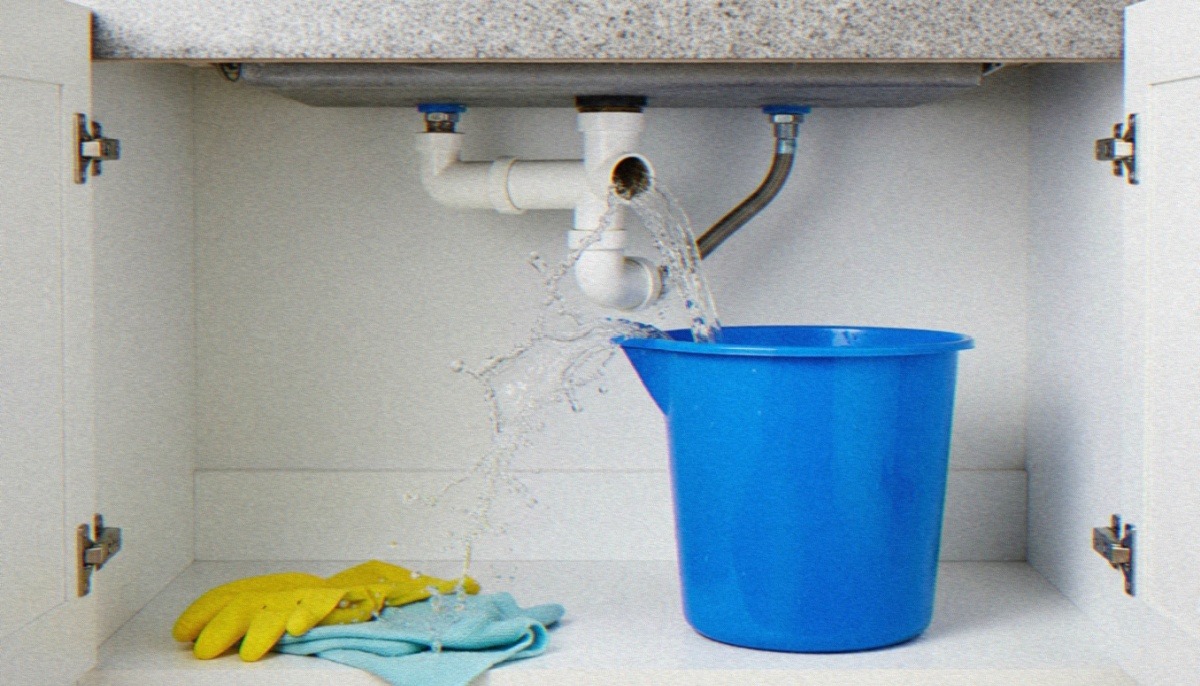
The cabinetry tucked beneath your bathroom sink is one of the most overlooked areas in the modern home. It serves as a catch-all for spare towels, cleaning supplies, and toiletries, creating a crowded “hidden” zone where moisture can linger unnoticed for weeks or even months. Because we rarely peer into the deep corners of these dark cabinets, a small drip can quietly transform into a major headache. To avoid costly structural rot, persistent mold growth, or sudden plumbing emergencies that can ruin your flooring and subfloor, it is vital for homeowners to recognize the early signs and the common culprits of a leaking vanity.
At Quan Plumbing and Heating, we believe that a little knowledge can go a long way toward protecting your property. In the damp climate of the Lower Mainland, moisture control is even more critical to prevent the spread of mildew. By understanding why these leaks happen, you can catch them before they escalate into an expensive restoration project.
Worn-Out P-Traps
The P-trap is the curved section of pipe located directly under your sink drain. Its primary job is to hold a small amount of water that acts as a seal, preventing sewer gases from backing up into your bathroom. However, because it is designed to hold water continuously, it is also one of the most common places for leaks to develop.
Over time, corrosion can eat away at the material, especially in older homes in Vancouver that may still have metal piping. Even in modern homes with PVC or ABS plastic pipes, the slip nuts and washers that hold the P-trap in place can loosen or degrade over time. Furthermore, the P-trap is a magnet for debris—hair, soap scum, and toothpaste buildup. This debris can create partial clogs that increase internal pressure or cause water to back up, eventually forcing it through a weakened joint. If you notice a damp smell or a puddle directly beneath the “U” shape of your pipe, your P-trap likely needs professional attention.
Loose or Faulty Water Supply Lines
While the drain pipes deal with gravity-fed water, your supply lines are under constant, significant pressure. These are the thin, usually flexible braided stainless steel or plastic hoses that connect your shut-off valves to the faucet. Because they are always “on,” even a microscopic pinhole leak can spray a fine mist that saturates everything inside your cabinet within hours.
Connections can fail for several reasons. Sometimes, the rubber gaskets inside the hose connections become brittle and crack with age. In other cases, the constant expansion and contraction of the pipes—caused by the shift between hot and cold water—can gradually loosen the nuts. Because these lines are often tucked behind the sink basin in a hard-to-reach spot, a leak here can run down the back wall of the cabinet, making it difficult to spot until the wood begins to warp or “bubble.”
Damaged Drain Seals and Plunger Mechanisms
Sometimes the leak isn’t coming from the pipes themselves, but from the point where the sink meets the plumbing. The drain flange (the metal ring you see at the bottom of the sink basin) is sealed with either a rubber gasket or plumber’s putty. Over years of use, this seal can dry out, shrink, or crack. When you fill the sink or run the water, it seeps through the failed seal and travels down the outside of the drain pipe.
Additionally, many bathroom sinks feature a “pop-up” plunger mechanism. This system uses a horizontal rod that extends into the vertical drain pipe to lift the stopper. This entry point is sealed with a small nut and a ball-joint gasket. If this nut is too loose or if the gasket has worn out, water will leak every time you pull the lever to plug the sink. These leaks are often “intermittent,” meaning they only happen when the sink is draining, which can make them particularly sneaky to diagnose.
Faulty Faucet Components
It is a common misconception that a faucet leak always stays on top of the counter. In reality, many faucet failures manifest as under-sink leaks. If the internal cartridges, O-rings, or seals in your faucet handle fail, water can bypass the spout and flow downward through the mounting holes in the countertop or sink deck.
This type of leak is especially frustrating because the “puddle” appears under the sink, but the pipes and valves look perfectly dry. Water follows the path of least resistance, trickling down the faucet’s mounting hardware and dripping onto your cabinet floor. If you notice water pooling only after you’ve washed your hands or brushed your teeth, the culprit is likely a component in the faucet assembly rather than the plumbing below.
Corroded Shut-Off Valves
Every bathroom sink should have two shut-off valves (one for hot, one for cold) located on the wall or floor inside the cabinet. Because these valves are rarely touched—often sitting in the same position for a decade or more—the internal seals can become fused or corroded.
When a valve begins to fail, it often starts with a “slow seep” around the handle’s packing nut. This is particularly common in older homes with multi-turn valves. Because these valves are the last line of defense before a major pipe burst, a leak here should never be ignored. If a valve is so corroded that it is leaking, it likely won’t work when you actually need it to shut off the water in an emergency, making it a high-priority plumbing repair.
Protecting Your Home’s Infrastructure
While many homeowners are tempted to reach for a wrench and tighten a nut themselves, plumbing systems are delicate. Over-tightening a connection can crack a plastic pipe or strip a thread, turning a minor drip into a major flood. Partnering with a professional plumber is essential for a permanent fix that addresses the root cause of the moisture rather than just masking the symptoms.
At Quan Plumbing and Heating, we provide the expertise needed to protect your home’s infrastructure. Our technicians don’t just stop the leak; we inspect the surrounding area for signs of water damage and ensure your entire system is up to code. We use high-quality materials and proven techniques to ensure that once a leak is fixed, it stays fixed.
If you suspect moisture is hiding under your vanity, don’t wait for the wood to rot or mold to take hold. Contact Quan Plumbing and Heating today for a professional plumbing inspection and repair. Let us help you keep your bathroom dry, safe, and worry-free.