
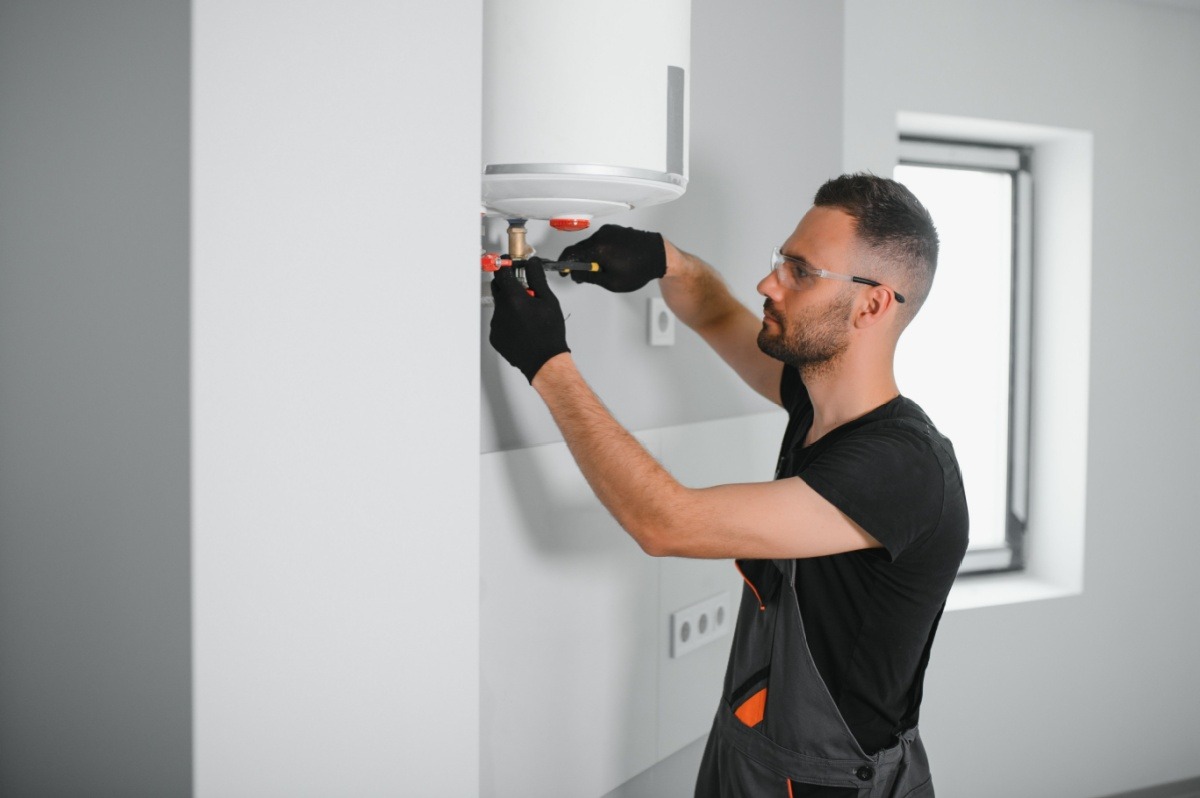
Choosing the right heating system is one of the most important decisions a homeowner can make. The system you select affects comfort, energy use, indoor air quality, and long-term cost. With options including furnaces and boilers, it can be difficult to determine which solution best fits your home and climate.
Homes across the Lower Mainland vary widely in size, layout, age, and insulation. A heating system that works well in a newer home may not perform the same in an older property with a finished basement, a unique duct design, or a baseboard setup. Understanding how different systems work makes it easier to make a confident decision that supports comfort and energy conservation for years to come.
Understand Your Home’s Heating Needs
Before comparing equipment, it helps to look at the structure and layout of your home. Square footage, ceiling height, insulation quality, and window placement all influence how heat moves through a space. Climate also plays a major role, especially in regions where heating and cooling needs change throughout the year.
A professional heating contractor will evaluate airflow, duct placement, ventilation, and heat loss. This assessment allows them to recommend a heating system that delivers consistent warmth without overworking the equipment. Homes with finished basements or additions often benefit from zoned heating or ductless systems.
Compare the Most Common Heating Systems
Each type of heating system operates differently and offers unique benefits. The best choice depends on energy goals, existing infrastructure, and budget.
Furnaces
Furnaces remain one of the most common options for home heating. They heat air and distribute it through ductwork using a blower.
Furnaces are powered by natural gas, providing steady heat and working well with central heating and air conditioning setups. Routine duct cleaning and filter replacement support efficiency and indoor air quality.
Boilers
Boilers heat water and move warmth through pipes to radiators, baseboard units, or radiant floor systems. Many older homes still rely on boilers for home heating, especially in areas with established infrastructure.
Boilers deliver consistent warmth without blowing air, helping maintain humidity and reduce airborne dust. They can operate on natural gas and typically require less ductwork-related maintenance than forced-air systems.
Look at Controls and Smart Features
Thermostats play a major role in heating efficiency. A smart thermostat allows homeowners to control temperature settings remotely, monitor energy use, and create schedules that match daily routines. This level of control improves comfort and helps reduce energy waste.
Smart thermostats work with most modern heating systems, including furnaces and boilers. When paired with proper maintenance and system sizing, they support consistent performance and lower operating costs.
Factor in Maintenance and Long-Term Service
Every heating system requires maintenance to stay reliable. Furnaces need filter changes, blower inspections, and burner cleaning. Boilers require pipe inspections, pressure checks, and valve servicing.
Regular maintenance protects efficiency and extends system life. It also reduces the risk of mid-winter breakdowns that require emergency service calls. When choosing a heating system, consider the availability of professional services and the long-term support required to keep it running.
Budget, Rebates, and Long-Term Cost
The cost of a heating system includes more than just installation. Energy use, maintenance, and repair all impact long-term value. High-efficiency systems often cost more upfront but save money over time through reduced energy consumption.
Indoor Air Quality and Comfort
Heating systems influence indoor air quality more than many homeowners realize. Forced-air systems benefit from proper ventilation and regular cleaning to reduce dust and allergens. Boilers and radiant systems help maintain cleaner air by avoiding air recirculation through ducts.
Humidity control also affects comfort during colder months. A properly sized heating system maintains warm air without drying out the home, helping protect wood surfaces, furnishings, and respiratory health.
Talk to a Professional Before Making a Decision
Choosing a heating system involves more than selecting equipment from a brochure. A professional evaluation considers climate, home layout, energy goals, and budget. This approach results in a system that fits your home rather than forcing your home to fit the system.
Quan Plumbing and Heating provides expert guidance for homeowners comparing furnaces and boilers. Our technicians explain options clearly and help customers make informed choices that support long-term comfort and efficiency.
Schedule Heating Services with Quan Plumbing and Heating
If you are planning to upgrade your home heating or replace an aging system, the team at Quan Plumbing and Heating is ready to help. Our licensed technicians provide heating services, including system selection, installation, maintenance, and repair, for homes across the Lower Mainland.
Contact Quan Plumbing and Heating today to book a consultation or request service. A knowledgeable professional will review your home, discuss heating system options, and help you move forward with a solution that delivers reliable warmth, energy savings, and long-term comfort.